Soft exoskeletons
that take effort
off the lower back.
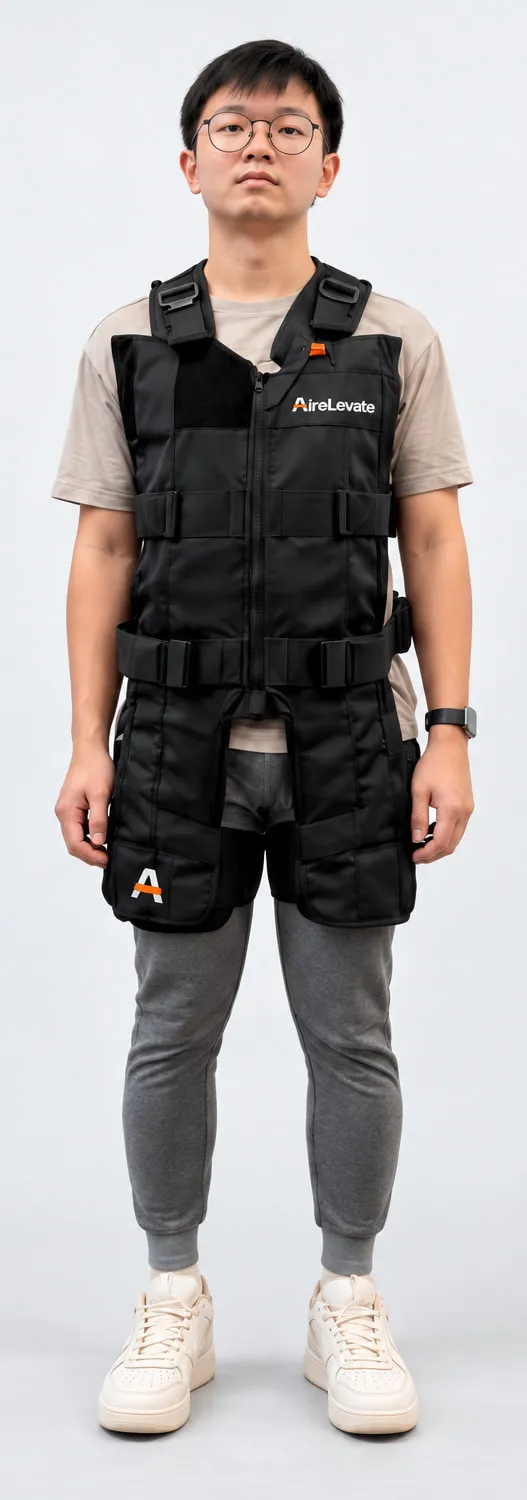
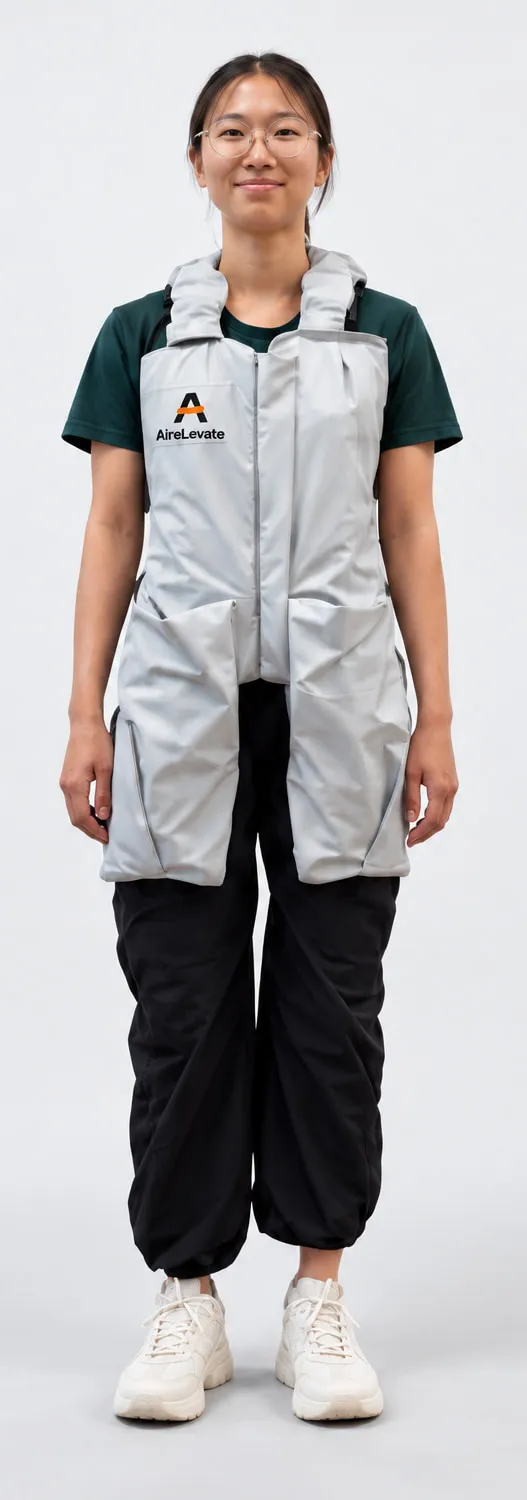
Portis is built for warehouses, airports, factories and shipyards. Aegis is made for hospital teams, in a washable, biocompatible fabric.
Both use air chambers across the front of the torso and thighs that help you straighten up as you lift. The technology was developed at the National University of Singapore.
Trial suits ship within the US.
Up to
55%
less lower-back muscle effort, Portis
Over
33%
less lower-back muscle effort, Aegis
About
4 h
per air fill. Portis weighs 1.7 kg, Aegis 1.9 kg.
What people who’ve worn it at work say.
The same air technology, worn at a Singapore shipyard, by airport baggage handlers,
and by an interventional cardiologist under a lead apron.
“In our job, we have many heavy items to lift. This suit is better for me when lifting.”

Guna
Production Tool In-Charge,
Strategic Marine, Singapore
“Since incorporating the AireLevate suit into my routine, I have seen significant improvements in both my physical comfort and ability to perform my duties.”

Dr Alaeldin Eltom
Consultant Interventional Cardiologist, Dubai.
From a written recommendation, February 2025.
How a soft exoskeleton works on a normal shift.
Your team puts the suit on like a vest, connects it to a compressed-air supply, and lifts the way they already do. Every suit ships with a video guide for first-time wearers.
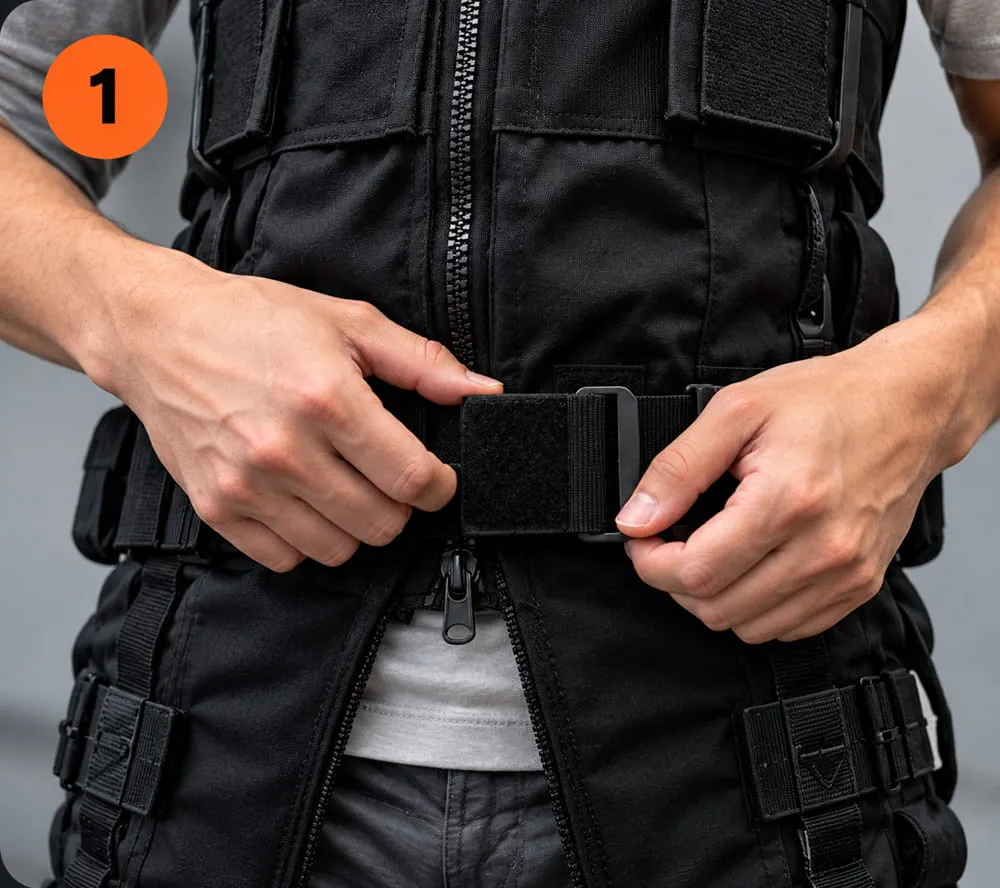
Put it on
Like a vest: zip it up, buckle the waist
strap, then the two leg straps.
Zip, waist strap and two leg straps
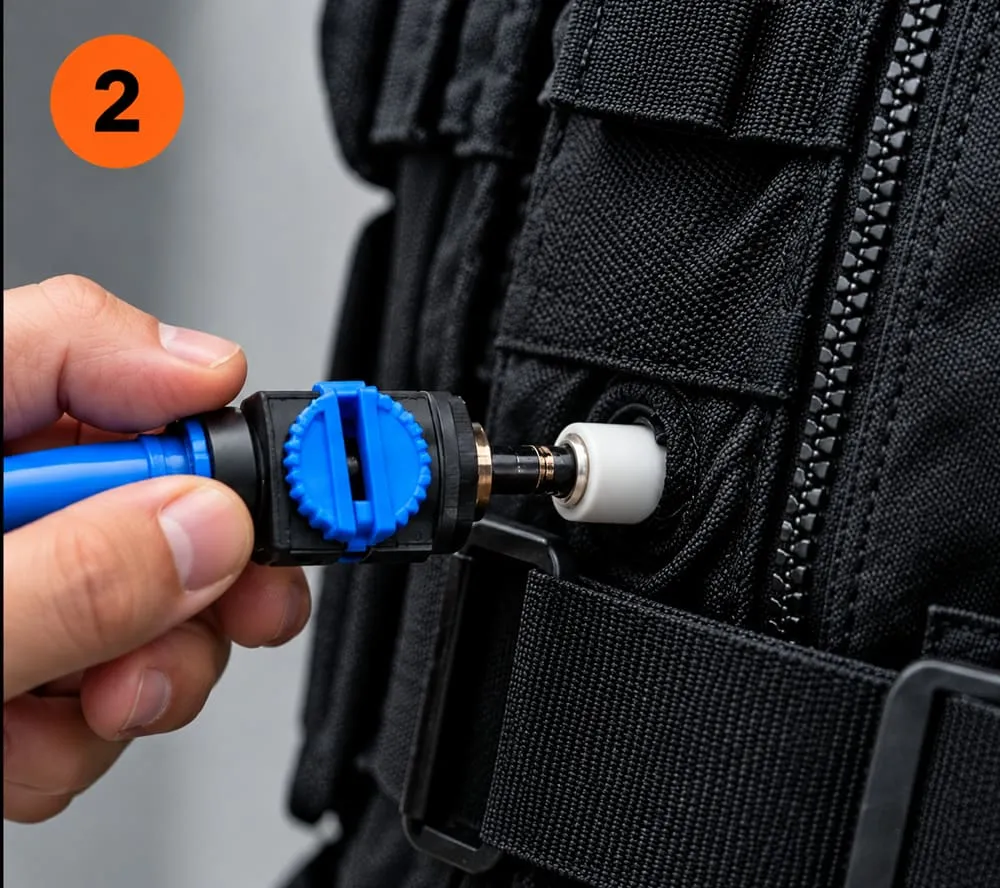
Connect the air
Fill the air chambers from a
compressed-air supply.
About 4 hours per fill
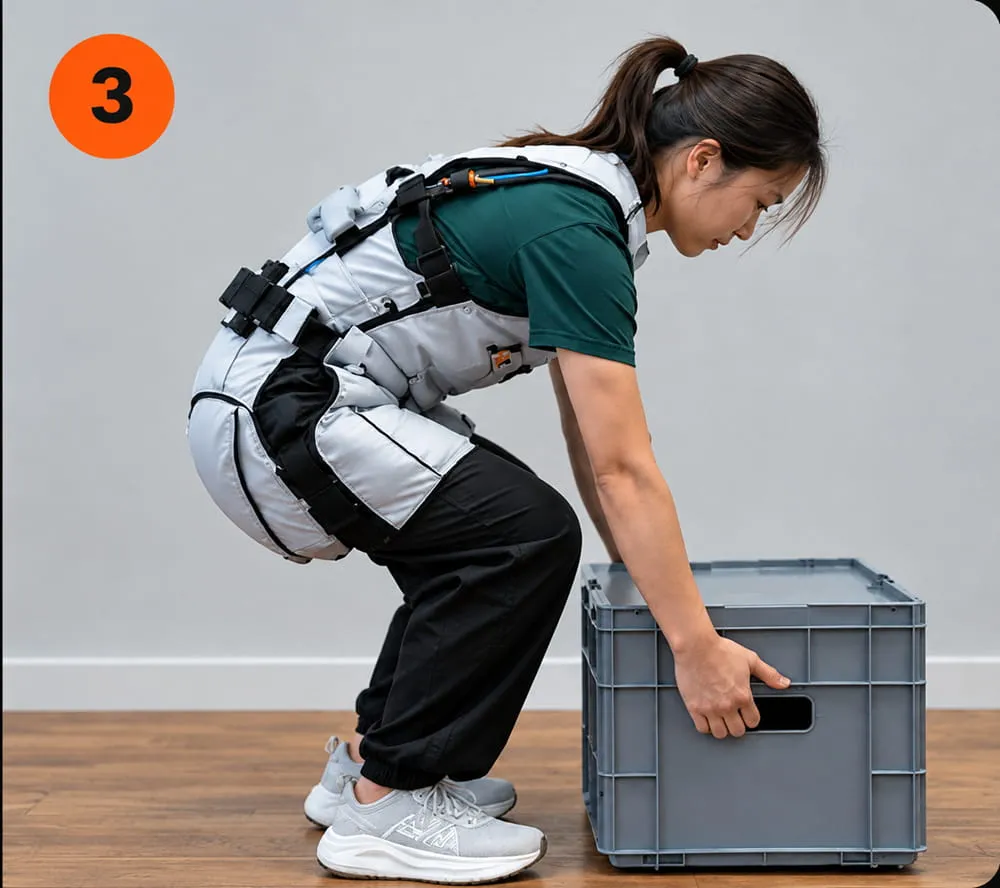
Lift as normal
The air chambers support the lower back
each time you bend and lift.
1.7 to 1.9 kg, no rigid frame
What the suit is made of.
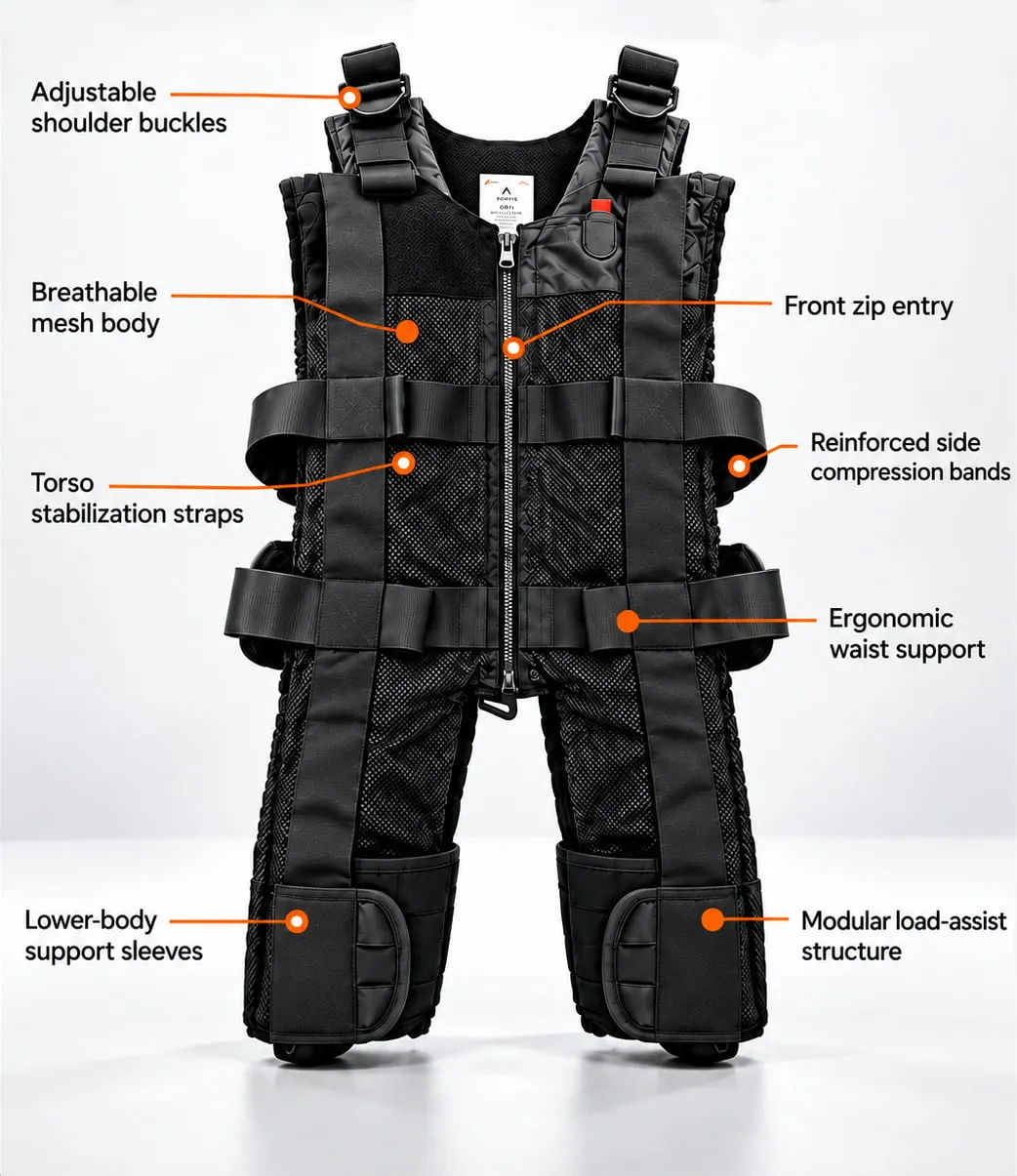
Both suits are soft garments. The support comes from air chambers across the front of the torso, so there are no motors, batteries or metal frame.
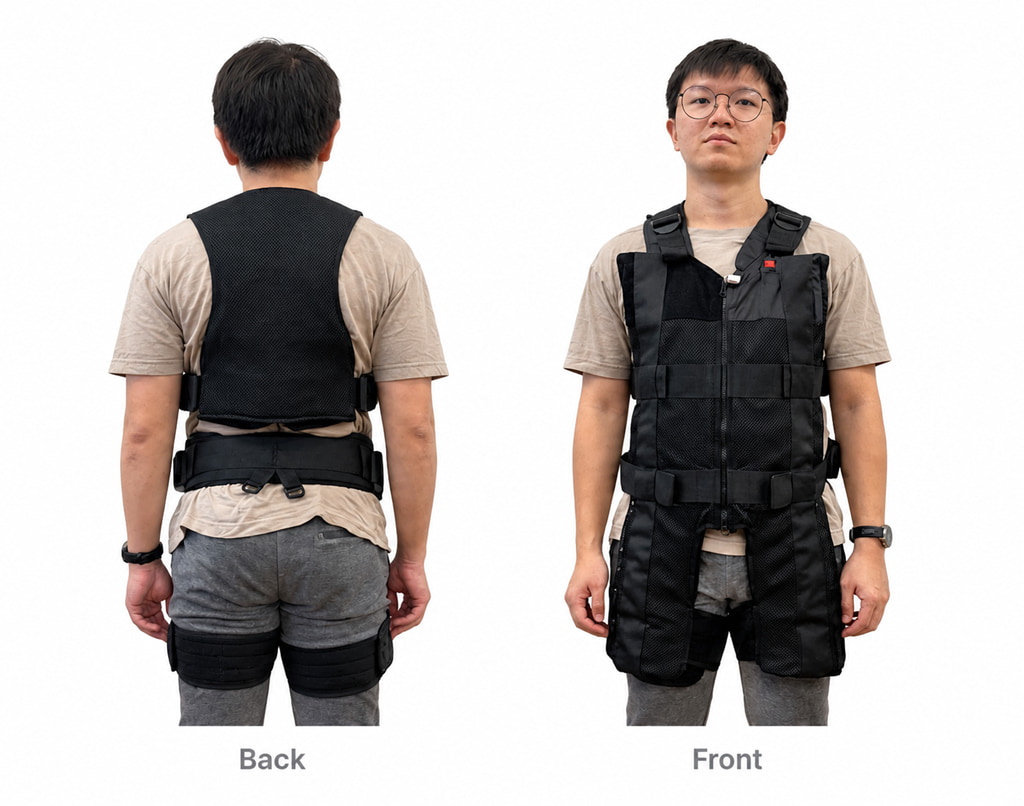
The back is left open for cooling.
Air chambers
They run across the front of the torso and thighs. Filled with compressed air, they carry the support.
Air inlet
One inlet for refilling from a compressed-air pump, a pocket-size pump or a canister.
Fabric
Black mesh, built for industrial sites.
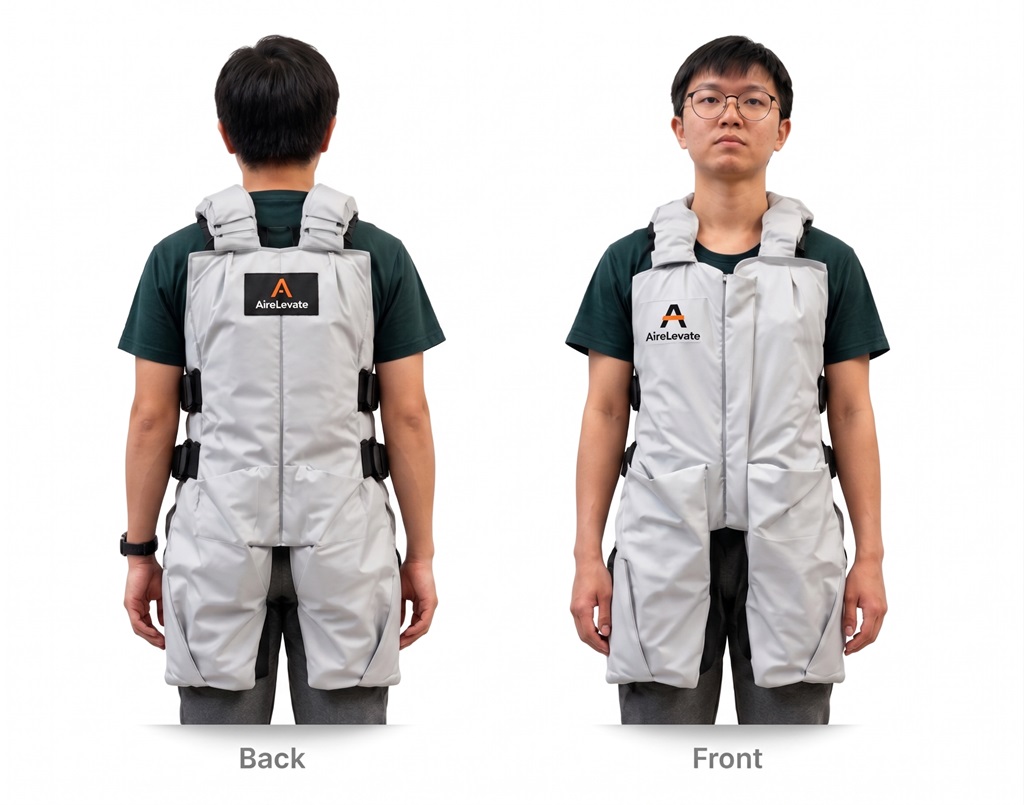
The back is left open for cooling.
Air chambers
They run across the front of the torso and thighs. Filled with compressed air, they carry the support.
Air inlet
One inlet for refilling from a compressed-air pump, a pocket-size pump or a canister.
Fabric
Washable, biocompatible fabric, made for clinical teams. The Aegis shell fabric is antimicrobial.
One suit, fitted to your site.
A freezer, a hot ramp and a hospital ward ask different things
of the same suit. Several of these options were added because
sites already using it asked for them.

Cold storage
A foam frame instead of air, for cold rooms down to -28°C (-18°F).

Hot sites
Pockets for gel packs, plus cooling fans and a cooling plate.

Visibility
Reflectors that meet your site’s safety standard.

Wider back brace
For wearers who want to feel more secure.

Hygiene
An antimicrobial coating.

Company colors
Fabric in your corporate colors or design.

Your uniform
Built into the uniform your team already wears.
The numbers your finance team will ask for.
Two National Safety Council figures for the budget conversation. Then let a trial suit make the case on your own floor.
484,620
musculoskeletal disorders led to days away from work in US private industry in 2023 and 2024 combined.
$48,000
estimated societal cost of one medically consulted work injury in 2024, including wages, medical, administrative and employer costs.
Sources: National Safety Council, Injury Facts. Musculoskeletal disorder cases from BLS data, 2023–2024; work injury costs, 2024. NSC estimates costs to society, not to one employer.
Pricing
Prices are per suit. We suggest starting with a trial on your own site, then buying or leasing the number you need.
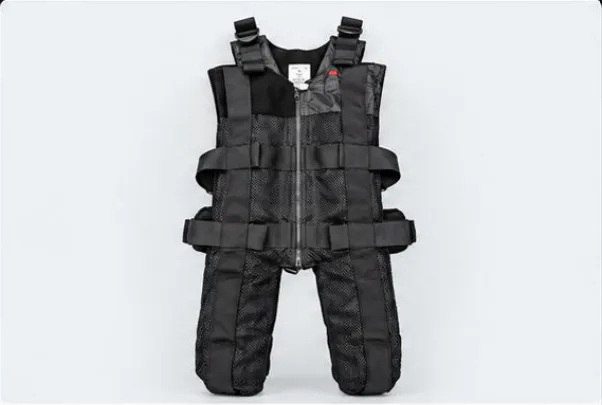
Portis
For industrial work
$1,895 per suit
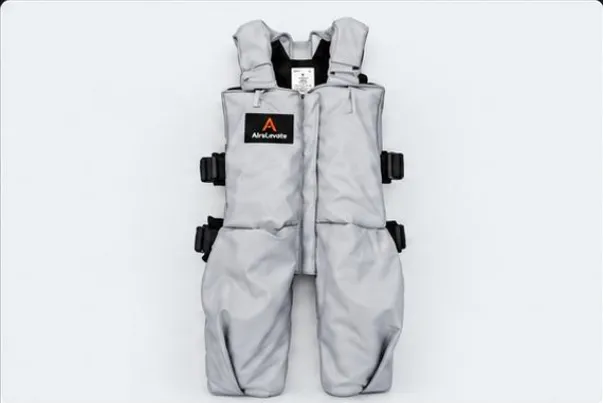
Aegis
For clinical teams
$1,995 per suit
Buying several suits, or prefer to lease? Ask for a quote.
Try it on your own team first.
Fill in the form and we’ll ship a trial suit to your US site.
1
Tell us about your site
Which suit, where, and how many people lift.
2
We ship a trial suit
Portis or Aegis, with a video guide to putting it on.
3
Your team wears it on real tasks
We check in during the trial. Then you decide.
Questions buyers ask.
Straight answers for safety and clinical teams.
Not answered here?
What’s the difference between Portis and Aegis?
They use the same air system. Portis is the black suit for industrial sites, weighs 1.7 kg and cuts lower-back muscle effort by up to 55%. Aegis is the grey suit for clinical teams, weighs 1.9 kg and is made in a washable, biocompatible fabric, with over 33% less effort.
How does it work?
Air chambers across the front of the torso and thighs are filled from a compressed-air supply. They support the lower back as you bend and lift, and the soft suit moves with you between lifts.
What do the 55% and 33% figures measure?
The 55% is the largest drop in lower-back muscle activity measured during a 20 kg lift, in a peer-reviewed National University of Singapore study of 10 people wearing the research prototype. Average drops across the study were 27 to 35% when lifting and 31 to 37% when lowering. The Aegis figure comes from early testing, with a repeat test planned.
How long does one fill last?
About 4 hours. Fill to 2 bar so the pressure stays above 1.5 bar over longer use.
How do we refill it?
Through a single air inlet, from a compressed-air pump, a pocket-size pump or a canister.
Can the suits be washed?
Aegis uses a washable, biocompatible fabric made for clinical teams.
Can we lease instead of buying?
Yes. Buy or lease the number of suits you need, ask for a quote and we’ll set it up.
Who is behind AireLevate?
AireLevate is a brand of MDS Safetech. The air-chamber technology was developed at the National University of Singapore.
Portis and Aegis are designed for occupational lifting support. They are not intended to diagnose, treat or prevent any medical condition.